Project
Stëmm iessen: managing collection and learning by doing
The service brings stock, orders and deliveries together in an application designed with frontline staff. Everyday tasks also become opportunities to practise digital skills.
Laureate of the 2026 Digital Inclusion Award, presented by the Luxembourg Ministry for Digitalisation at the 8th Interdisciplinary Forum on Digital Inclusion (Esch-Belval, May 2026).
The project on video
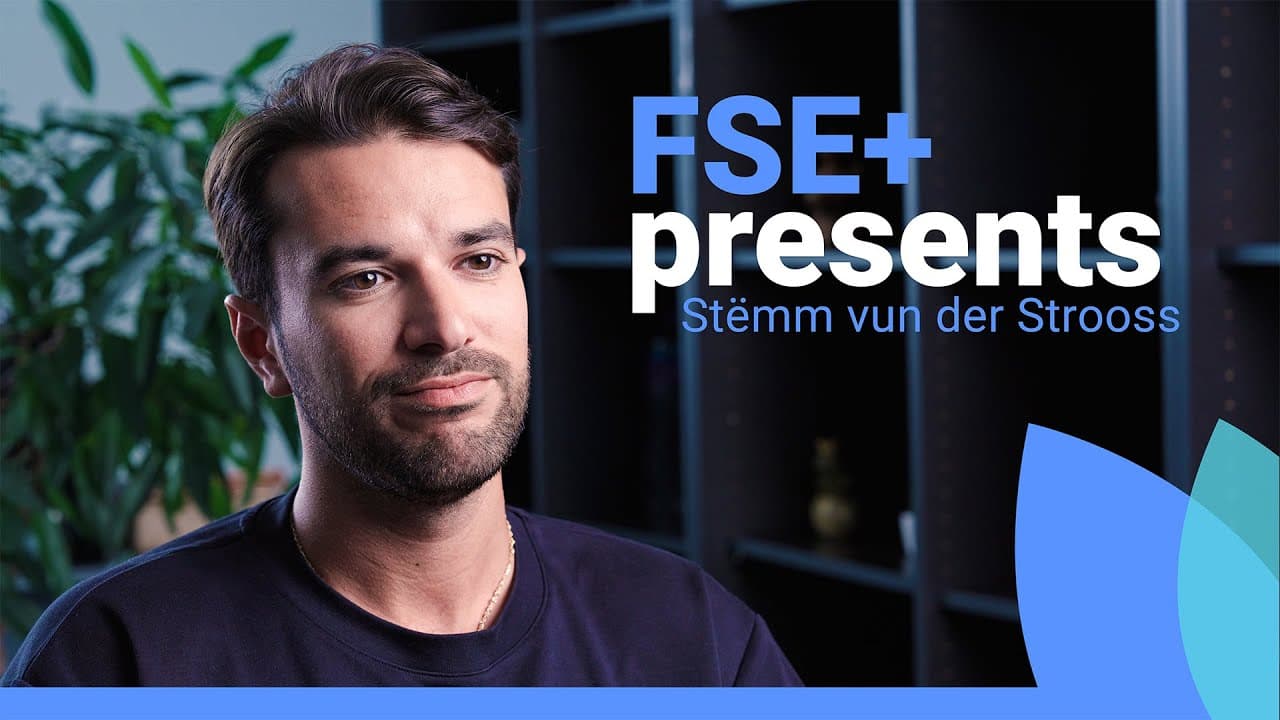
The food collection and redistribution service day to day, FSE+ video (EU funds, Luxembourg).
The project presented by the Ministry for Digitalisation, Digital Inclusion Award 2026.
The tool in everyday work
An online catalog for partner associations
The application works like a solidarity-based online store. Partner associations browse available products, place orders in a few clicks and choose their delivery date. The system checks inventory, notifies managers and sends an automatic summary.
Order management
Each order goes through a validation stage. Quantities can be adjusted, preparations organized and delivery notes generated. A shipping schedule provides an overview of all planned deliveries across all sites.
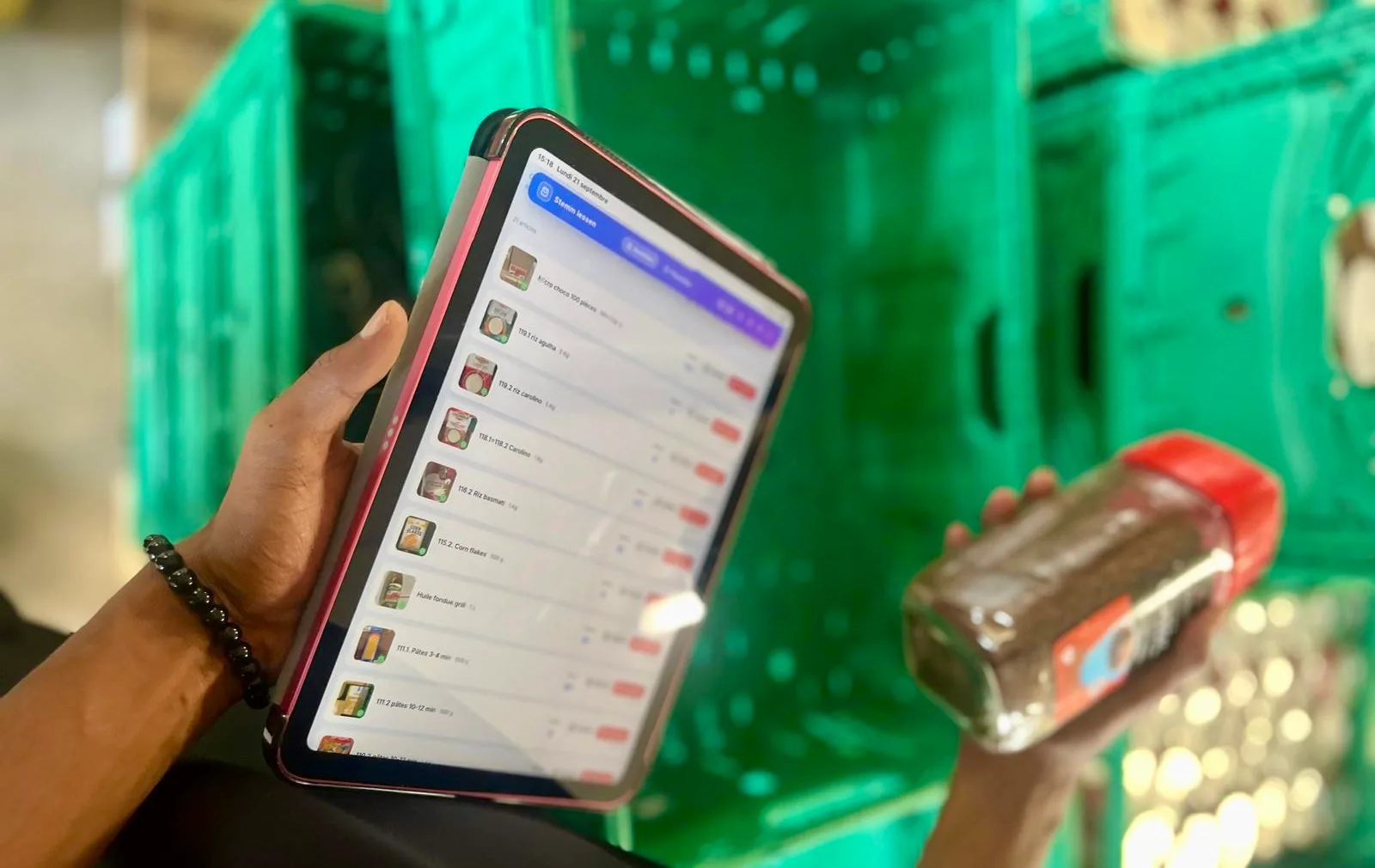
Real-time inventory management
A comprehensive module tracks inventory levels in real time, plans shipments to each site and provides a distribution history. When an order is validated, inventory is updated automatically. When a shipment is planned, the relevant site is notified.
Digital stocktaking
Stocktakes are carried out directly on rugged tablets available on the premises. Counting, entering data, associating a photo with a product, the interface prioritizes visuals and photo identification over text, to be accessible to all users.
Learning by doing
This dimension is central to the project. The application is both a management tool and a learning resource designed for direct use by beneficiaries.
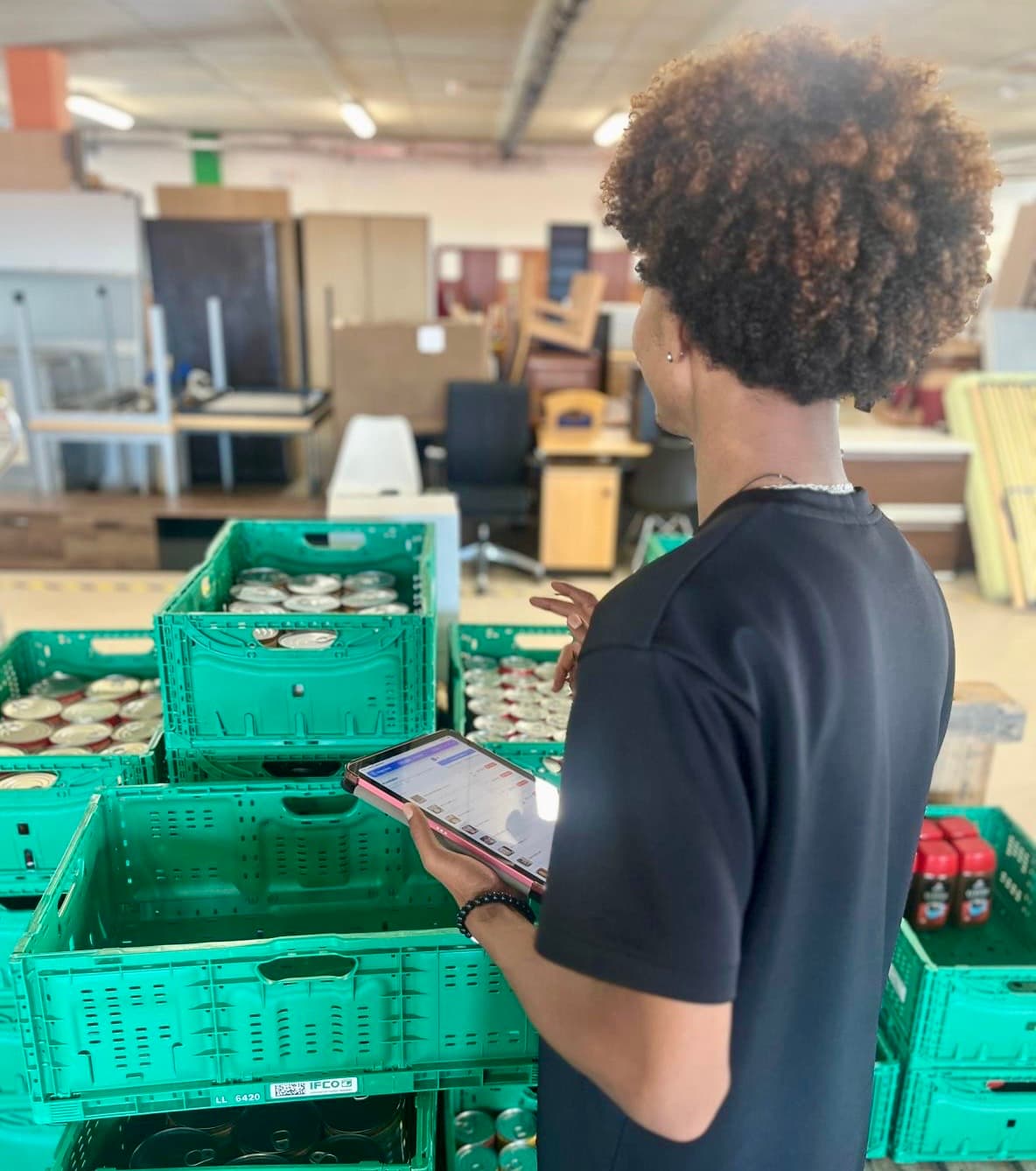
Co-designed with beneficiaries
From the design phase, beneficiaries participated in co-design workshops for the tool. This approach had a dual objective: to create an application genuinely suited to its users, and to start familiarizing them with digital technology from this very stage. The co-design process itself was already an act of awareness-raising.
Learning integrated into daily activities
In their everyday activities, beneficiaries carry out digital stocktakes, prepare orders by following an on-screen list, check inventory, filter information and navigate tables. They learn to log into an application, enter data and validate an action, not in a classroom, but on the ground, in their actual work.
An interface designed for accessibility
The tool prioritises visuals and photo identification to reduce the reading barrier. Learning can progress from observation to guided practice, then to completing tasks with less support.
Directly transferable skills
Using the application provides practice with digital logistics tasks: checking stock, preparing orders and carrying out inventories. This practical experience can then be described as part of a vocational integration pathway.
In numbers
The service operates at this scale; the application is used across this scope:
360 t
of food collected by the service each year
250,000+
meals redistributed by the service
5
sites within the tool’s scope
12
partner associations supplied
3
social restaurants supplied
≈ 80
people taking part in activities each year
The approach
01
Immersion
The process began in the field by observing workflows, the organisation of each site and user needs.
02
Co-design
The application was designed with the teams and with the beneficiaries themselves. Co-design workshops, mockups, testing and adjustments, until the tool matched the daily reality of the service.
03
Support
Onboarding, follow-up and adjustment sessions were organised on site with the users concerned.
Interested in this type of project?
Tell us about the tasks you want to simplify and the people who will use the tool.
Tell us what you need